
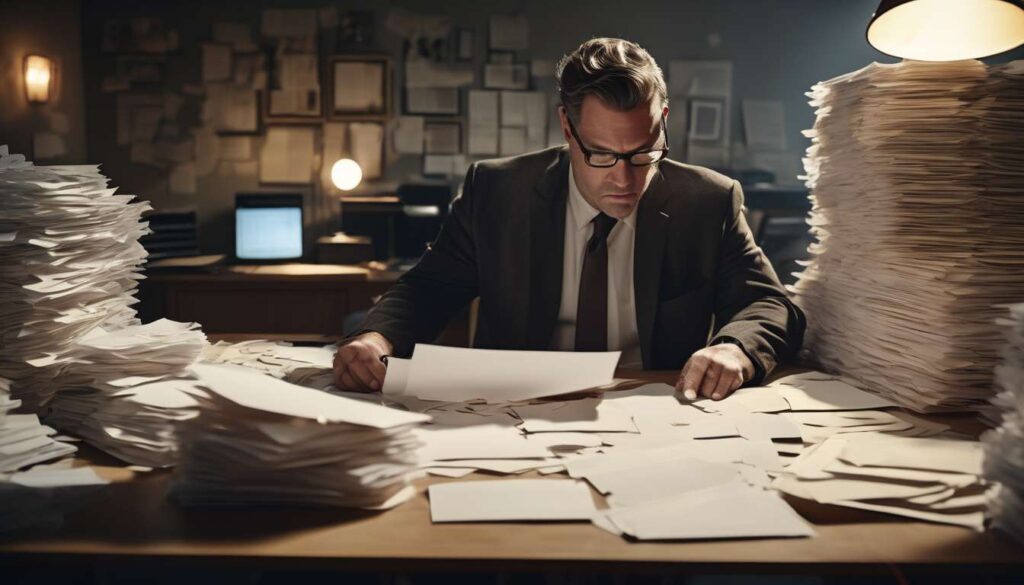
Right away, we recognize that copyright claims impact adult video studios much like tides shape a shoreline: sometimes gradual, sometimes sudden, and always redefining the landscape.
We work in an industry where creative output, distribution platforms, performer rights, and platform policies collide, and those collisions are increasingly governed by complex copyright enforcement mechanisms.
As studios scale production and embrace digital channels, we face takedown notices, claim monetization, and opaque dispute processes that alter revenue flows and creative choices.
We find ourselves balancing risk management with artistic expression, negotiating licensing deals while defending fair use arguments and performer consent.
Our operations must adapt to automated content ID systems that cannot distinguish context or consent, and to global legal frameworks that vary widely.
This comparison reveals how legal pressures reshape business models, contractual practices, and technological strategies, forcing us to rethink how we create, protect, and distribute adult content in a rapidly evolving legal and digital environment.
Legal risks overview
We face significant legal risks when copyright claims arise, including costly takedowns, statutory damages, and potential criminal exposure for repeat infringers.
These threats don’t occur in isolation; they affect teams, performers, and partners who rely on steady operations.
When copyright enforcement ramps up, we see immediate resource strain:
- Legal fees
- Time spent responding to notices
- Negotiating settlements
Platforms’ content ID systems can both help and hurt us.
- Automated matches may flag legitimate materials.
- They may fail to protect our licensed assets.
We stay vigilant and document rights carefully.
Sudden claims cause revenue disruption:
- Lost ad and subscription income
- Withheld payouts
- Damaged relationships with distributors
To protect our collective work, we invest in preventive measures:
- Clear contracts
- Proactive registration of copyrights
- Internal training so everyone knows reporting protocols
We do not shoulder these risks alone.
- We build community safeguards
- We share best practices
- We coordinate responses to minimize exposure and preserve the studio’s creative and financial stability
Takedown dynamics
When a takedown notice arrives, we act quickly and methodically.
Key actions:
- Verify claimant identity.
- Cross-check claimed rights.
- Remove or dispute the material as appropriate.
- Timestamp and document every decision.
Why: This limits legal liability and revenue loss, and keeps our team and collaborators informed and protected.
We treat takedowns as operational priorities.
Tools and safeguards:
- Use content ID and automated matching to speed detection.
- Require human review before final removal to prevent wrongful takedowns.
- Maintain records of decisions and the rationale.
Why: Automation improves speed, but human oversight preserves trust among creators and partners.
We balance compliance with defending legitimate uses.
Process steps:
- Assess whether the takedown is valid under law and policy.
- File a counternotice when the use appears lawful (e.g., fair use, licensed).
- Keep clear records of all correspondence and actions.
Why: This protects creators’ rights while respecting legal obligations.
We prioritize communication with affected stakeholders.
Notifications and collaboration:
- Inform performers and production partners promptly.
- Share decision details and next steps.
- Invite input where appropriate.
Why: Transparent workflows reduce friction, strengthen relationships, and help us refine policies that respect legal duties and the community we’re building.
Revenue disruption
Any takedown or claim can immediately cut off earnings from a title.
Short-term assessment and mitigation are required:
- We assess short-term losses and plan mitigation steps.
- We track income streams closely so affected titles are flagged and affected creators get notified.
- We reallocate promotion to other catalog items to reduce impact.
Revenue disruption mechanisms:
- Platforms or rights holders can block distribution.
- Uploads can be demonetized.
- Ad proceeds can be diverted.
Proactive risk management:
- We map risk points where copyright enforcement is likeliest and prioritize titles with fragile revenue models.
- We negotiate with platforms and submit counternotices when appropriate.
- We maintain reserve funds to cover lost payouts.
Transparency and coordination:
- We share data and playbooks across teams so everyone feels supported and decisions are faster.
- Shared procedures, coordinated outreach, and diversified monetization help dampen shocks.
Outcome:
- While revenue disruption can be stressful, these measures help keep our studio network resilient and connected.
Automated content ID
Automated systems now scan massive catalogs and flag matches in seconds.
We must tune algorithms and workflows to avoid false matches that can immediately harm earnings. We rely on content ID tools for copyright enforcement, but we also know these tools aren’t perfect for our niche. We collaborate across teams to create clear metadata, fingerprint our masters, and submit counter-notices quickly when automated claims are wrong.
We want everyone in our community to feel supported.
We document procedures and share templates for disputes and licensing records. We monitor dashboards daily to catch patterns of erroneous matching and push for human review where stakes are high. We can’t let opaque automation cause undue revenue disruption, so we negotiate with platforms for faster appeals and better transparency about match thresholds.
By pooling knowledge and staying proactive, we protect income streams while maintaining compliance.
That shared approach keeps us resilient against blunt copyright enforcement systems and helps us preserve both our business and our sense of belonging.
Performer rights impact
Many performers’ livelihoods and consent protections are directly affected when copyright claims restrict distribution.
We must ensure fair attribution, clear licensing, and speedy dispute processes to protect income and reputation and to reduce unnecessary takedowns.
Copyright enforcement and content ID systems can unintentionally silence performers or hide their credited work.
- We push for transparent mechanisms that honor performer consent and credit.
- We support metadata standards that attach performer credits and consent records to files so content ID matches respect individual agreements.
Dispute pathways should move quickly and keep performers informed.
- Rapid procedures will reduce revenue disruption and reputational harm while claims are resolved.
- Performers should receive timely notifications and status updates throughout the dispute process.
We advocate joint policies where studios, platforms, and performers share notification and contestation rights.
- This enables stakeholders to challenge abusive or mistaken takedowns together.
- Joint policies discourage bad-faith claims and improve accuracy.
We’ll prioritize training and contracts that empower performers to understand claim impacts and participate in resolution.
- Clear contractual terms about attribution, licensing, and dispute options.
- Training for performers on how content ID works and how to protect their rights.
By centering performers in enforcement conversations, we build trust, limit unnecessary revenue disruption, and ensure consent and livelihood protections aren’t collateral damage of automated systems.
Licensing strategies
We adopt flexible licensing strategies that balance revenue, performer consent, and platform compatibility to keep content available and fairly compensated.
We build clear license tiers—exclusive, non-exclusive, and time-limited—that reflect performers’ wishes and platform rules, so our team feels included in decisions.
We map each license to platform technical requirements and content ID settings, minimizing surprises when automated systems scan uploads.
We coordinate with platforms on metadata and watermarking to strengthen copyright enforcement while preserving performer privacy and agency.
We standardize contracts so everyone in our community understands revenue splits and takedown protocols, reducing internal friction.
When platforms’ content ID matches threaten revenue disruption, we prioritize preemptive registration and shared asset databases to prove provenance quickly.
We explore collective licensing and platform partnerships to diversify income streams and bolster negotiating power.
By aligning legal, technical, and human-centered practices, we protect creators, sustain revenue, and reinforce a belonging culture committed to fair, transparent distribution.
Dispute resolution paths
We outline clear, tiered dispute resolution paths—informal mediation, platform escalation, and formal legal action—so our team can respond quickly and consistently when claims arise.
We prioritize a collaborative tone so everyone on the team feels supported when navigating copyright enforcement issues.
First, we try informal mediation.
- We contact claimants, present licensing records, and seek a mutual agreement to lift holds or correct attributions.
- The goal is to resolve disputes amicably and restore content or attribution without escalation.
If that fails, we escalate via platform channels.
- We use content ID appeals and well-documented counter-notices to minimize prolonged blocks.
- We track timelines, evidence, and communication templates so anyone can step in confidently.
When necessary, we proceed to formal legal action.
- We coordinate with counsel to weigh costs against likely outcomes while protecting teammates’ livelihoods.
- Legal action is considered a last resort and is used when other avenues cannot adequately resolve the claim.
Throughout, we focus on reducing revenue disruption and maintaining community trust.
- We share lessons learned and updates so members feel included in policy decisions.
- Clear, consistent procedures keep responses timely, transparent, and aligned with our collective values.
Operational adaptations
We adapt workflows, tools, and team roles to limit downtime, speed dispute responses, and keep productions running smoothly.
We centralize claim tracking so everyone knows status at a glance.
We assign clear owners for each takedown or counter-notice.
We run short daily check-ins to move cases forward.
We invest in content-ID training and dashboards that flag likely false matches, so we can prioritize appeals that counter revenue disruption fastest.
We build templates for evidence packets and escalation paths, reducing back-and-forth when platforms request proof.
We diversify distribution channels and payment processors to soften the impact of sudden removals driven by aggressive copyright enforcement.
We cross-train editors, moderators, and legal liaisons to keep production and compliance linked rather than siloed.
We celebrate small wins together—successful reclaims, quick reinstatements, smoother uploads—because belonging and shared responsibility make our operational adaptations resilient, efficient, and tuned to the realities of the industry.
How do international differences in copyright law affect where studios should host their websites?
We’re asking where to host sites because international copyright rules vary and that shapes risk and access.
We’ll pick hosts in jurisdictions with clear safe-harbor protections, reasonable notice-and-takedown procedures, and favorable data-retention laws.
We’ll prefer providers offering:
- geo-blocking
- fast legal takedown support
- encryption
We’ll balance cost, latency, and legal exposure, consult local counsel when needed, and keep our content-control and compliance policies consistent across regions.
Can studios use blockchain or NFTs to assert ownership or monetize content in ways that reduce infringement?
We think blockchain and NFTs can help studios assert ownership and create new revenue streams, but they’re not a silver bullet.
We can mint provenance records, sell limited editions, and embed licensing terms, which fosters community and shared stakes.
Still, on-chain metadata doesn’t stop unauthorized copying, and legal enforcement offline remains necessary.
We’ll balance tech tools, clear contracts, and community-driven incentives to reduce infringement and grow trust.
What steps can a studio take to protect older or archived content that wasn’t properly registered or documented?
Current Question: What steps can a studio take to protect older or archived content that wasn’t properly registered or documented?
Assessment and inventory
- Inventory all materials. Conduct a thorough physical and digital inventory of existing works, masters, outtakes, artwork, and ancillary assets.
- Gather supporting documentation. Locate contracts, talent releases, license agreements, purchase orders, correspondence, delivery memos, and any production notes that help establish chain of title.
- Timestamp digital files. Apply verifiable timestamps and preserve original file metadata and checksums to show creation or possession dates.
Legal protection and registration
- Register works with the Copyright Office. File registrations for eligible works as soon as practicable.
- Pursue retroactive or supplementary registrations. Where needed, prepare supplemental, additional, or group registrations to cover older releases or collections.
- Secure releases and clearances. Re-obtain or reconstruct talent releases, music clearances, and third-party licenses when possible; document efforts to secure missing agreements.
Technical and monitoring measures
- Implement watermarking and metadata best practices. Embed visible or forensic watermarks and maintain standardized metadata fields for all assets.
- Set up takedown and monitoring systems. Use automated monitoring services, alerts, and a documented takedown workflow to detect and remove unauthorized uses.
Process improvements and training
- Standardize documentation and workflows. Create templates and mandatory fields for registration, transfers, releases, and chain-of-title documentation.
- Train staff and assign stewardship. Educate production, legal, and archiving teams on preservation practices and designate an owner responsible for archival integrity.
- Create retention and backup policies. Establish secure, redundant storage (including offline backups), versioning, and retention schedules to prevent future loss.
If gaps remain
- Document due diligence. Keep a record of searches and attempts to locate missing documents to strengthen legal positions.
- Consider legal remedies. Consult IP counsel about reconstruction affidavits, declaratory relief, or other remedies to assert rights when original documentation is missing.
If you’d like, I can draft a checklist or a template inventory and registration workflow tailored to your studio’s size and archive types.
Conclusion
You’ve seen how copyright claims can upend your adult studio’s operations — from sudden takedowns and revenue loss to automated ID errors that sideline performers and complicate licensing.
You need clear policies, reliable licensing, and fast dispute workflows to protect income and talent.
Stay proactive: audit content, document rights, and use counter-notices or mediation when needed.
By adapting systems and contracts now, you’ll reduce risk and keep your business resilient.