
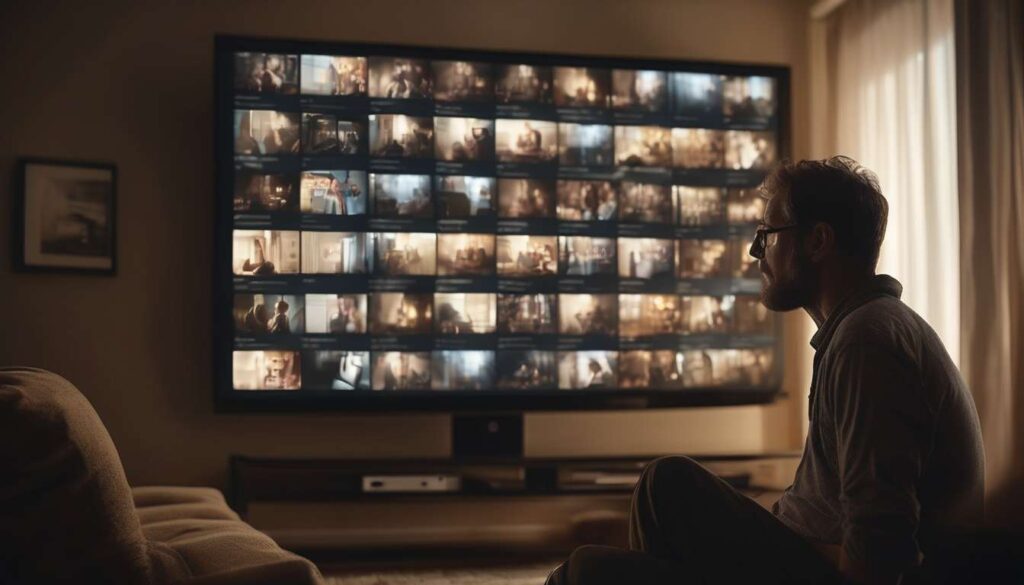
A clear-eyed refusal to accept every frame at face value is the single most important skill our generation can cultivate.
We watch, we scroll, we share—and yet we rarely interrogate the context, intent, or construction behind what we consume.
As adult viewers of video, we bring lived experience but not always the tools to parse manipulation, layered messaging, or subtle bias embedded in production choices.
Media literacy doesn’t mean skepticism for skepticism’s sake; it equips us to recognize persuasion, verify claims, and protect our privacy and relationships.
When we understand editing, sourcing, and platform incentives, we reclaim agency over our attention and the narratives that shape our beliefs.
This article argues that adult audiences need deliberate, practical media-literacy skills now more than ever:
- To make informed choices about what we watch.
- To push back against harmful content.
- To participate responsibly in a media ecosystem that rewards clarity and accountability.
Understanding Editing Tricks
We need to recognize common editing tricks—like jump cuts, speed changes, and selective sequencing—so we can judge how they shape what a video actually tells us.
A few cuts can imply causation, slow motion can amplify emotion, and omitted footage can erase context.
Ask where an edit begins and ends, who benefits from a particular sequence, and whether clips were rearranged to suggest a false timeline.
As a community seeking trustworthy connection, we practice media literacy so we won’t be misled by polished surfaces.
That scrutiny helps us spot misinformation without attacking each other and preserves our shared commitment to truth.
We stay attentive to edits that risk exposing personal information to protect digital privacy for ourselves and those we care about.
- Blur faces when necessary.
- Strip identifying metadata.
- Change platforms’ defaults that might reveal private details.
By learning these patterns together, we strengthen our ability to evaluate videos calmly, fairly, and with mutual respect.
Spotting Persuasive Techniques
Goal: Learn to recognize common persuasive techniques in videos so we can spot how creators steer feelings and decisions.
Key persuasive techniques to watch for:
- Loaded language — emotionally charged words that push a reaction.
- Emotional appeals — music, pacing, and storylines designed to elicit sympathy, fear, or excitement.
- Repetition — repeated phrases or visuals that build familiarity and perceived truth.
- Endorsement cues — celebrity or peer endorsements that signal acceptance, not accuracy.
- Manipulative visuals — images or edits that imply consensus, hide context, or misrepresent facts.
- Urgent calls-to-action — hype and fear-mongering that short-circuit deliberation and encourage immediate sharing.
What we’ll practice together:
- Tune into wording, music, and pacing to identify attempts to nudge reactions.
- Call out hype, fear-mongering, and urgency that bypass critical thinking.
- Notice repetition and endorsement signals and question whether they equal truth.
- Spot visuals that omit context or imply false consensus.
Shared values and outcomes:
- Media literacy as a group skill — we value learning together to protect conversations, choices, and digital privacy.
- Mutual accountability — by practicing these recognitions we can keep one another honest and flag questionable claims.
- Non-shaming approach — we aim to educate and support those still learning, keeping the community safer and more informed.
Practical benefits:
- Reduce spread of misinformation within our circles.
- Limit how easily our data and emotions are exploited.
- Strengthen collective decision-making without alienating anyone.
Verifying Sources Quickly
We’ll learn quick, reliable checks to confirm who made a video, why they made it, and whether their claims hold up.
Start by scanning the uploader’s profile for consistent identity signals.
- Look for linked websites, other videos, and community comments.
- If multiple channels or accounts point to the same creator, that’s a helpful sign.
- If accounts vanish or lack history, treat claims cautiously.
Cross-reference key facts with reputable sources.
- Check news outlets, academic summaries, or official statements.
- Avoid relying on a single post as your only source.
When something feels off, pause and run reverse-video or image checks.
- Use reverse search tools to spot repurposed or out-of-context footage.
- Look for earlier occurrences of the same clip with different captions or timestamps.
Respect digital privacy and avoid exposing people.
- Don’t share identifying details from videos.
- Avoid diving into comment threads if doing so would expose private information.
Do these steps quickly and repeatedly to reduce misinformation risk.
- Scan uploader identity.
- Cross-check claims with reputable sources.
- Run reverse searches if needed.
- Protect privacy and avoid risky engagement.
By building these practical habits, we protect ourselves and strengthen collective trust in what we watch.
Recognizing Platform Incentives
Platforms shape what we see by favoring content that keeps us watching, sharing, or clicking.
Understand that algorithms and business models steer attention; learning how they do this helps us ask why something surfaces, not just whether it’s entertaining.
Look for patterns across recommendation feeds, trending lists, and ad placements.
Common signals include:
- sensational thumbnails
- repeat themes
- speeded-up edits that boost engagement
Recognize platform incentives to reduce susceptibility to misinformation.
Ask whether creators are rewarded for:
- controversy
- virality
- watch time
This awareness helps explain why misinformation can spread—because it’s profitable, not because it’s true.
Consider how platform design nudges frictionless sharing and its impact on respectful participation.
Be mindful that ease of sharing can amplify harm even when intentions are good.
Share practical, community-level strategies to protect credibility and belonging.
Recommended steps:
- check context before amplifying content
- pause before resharing
- prioritize trustworthy channels
Note: These suggestions focus on media literacy and community behavior; technical aspects of digital privacy deserve a separate, focused conversation.
Protecting Privacy and Data
Protecting our privacy and personal data means understanding what information platforms collect, why they collect it, and how we can limit or control that collection.
As a community of viewers, we rely on media literacy to:
- spot trackers,
- recognize data-hungry features,
- and push back when platforms overreach.
We’ll check privacy settings together, opt out of unnecessary personalization, and prefer services that minimize data retention.
We also protect one another by sharing simple habits:
- using unique passwords,
- enabling two-factor authentication,
- and being cautious about linking accounts.
When we encounter sensational clips or targeted claims, we remember that misinformation and intrusive profiling often travel hand in hand.
Dubious content can be amplified by algorithms seeking engagement, so we treat digital privacy as a shared value to create safer viewing spaces where people feel respected and included.
Practicing these steps helps us keep control of our information and supports a healthier, more trustworthy media environment for everyone.
Reading Visual Framing
When we watch videos, we pay attention to how shots, angles, color, and editing shape what we feel and what we think.
Close-ups invite intimacy, wide shots create distance, warm tones comfort, and jump cuts speed our emotional response.
Reading visual framing means naming those choices so we don’t absorb them unconsciously.
As a community seeking trust and belonging, we practice media literacy together.
- We point out when framing makes someone look more sympathetic or more threatening.
- We question who benefits from those impressions.
That habit helps us spot misinformation that leans on suggestive visuals rather than facts.
Visual-literacy skills also connect to digital privacy and safety.
- Knowing framing tactics reduces our vulnerability to manipulative content designed to harvest reactions or data.
- By discussing framing choices openly, we build shared standards and keep one another safer online.
We keep asking: What does this look want us to feel, and who made that decision?
Challenging Harmful Narratives
We call out and push back on stories in videos that dehumanize people or groups.
We name stereotypes and explain how editing choices build a dehumanizing narrative.
- We identify common stereotypes and label them explicitly.
- We trace how framing, editing, sound, and selective footage turn people into caricatures.
- We ask: who benefits from these portrayals?
We use media literacy to spot framing and teach others to do the same.
- We show how camera angle, cut timing, voiceover, and music shape viewers’ impressions.
- We point out omitted context or selective examples that distort reality.
- We encourage viewers to question the narrative, not just the facts.
We correct misinformation with context and verifiable sources—without shaming.
- Ask for sources and timestamps.
- Supply credible context and links to verifiable facts.
- Avoid humiliating people who were misled; focus on the information, not the person.
We protect dignity and limit harm when flagging exploitative videos.
- Flag content that exploits vulnerability for clicks.
- Remind one another that resistance can be both firm and kind.
- Prioritize the well‑being of people shown in videos over viral engagement.
We practice and teach good digital-privacy habits to prevent doxxing and harassment.
- Avoid amplifying intimate or identifying details.
- Remove or blur faces and identifying information when possible.
- Teach simple habits (privacy settings, cautious sharing, verification before reposting).
We build a community culture where critique replaces cruelty and solidarity replaces isolation.
- Encourage calm, evidence‑based responses to harmful narratives.
- Support people who call out problematic videos so they feel safe doing so.
- Promote collective norms that reward correction, context, and compassion.
Building Shared Media Norms
We create and follow clear community standards for how we share, critique, and correct videos so everyone knows what behavior we expect and why.
We agree on respectful ways to question claims, tag uncertain content, and flag possible misinformation without shaming contributors.
By naming norms — like citing sources before resharing, prompting consent checks, and limiting speculation — we make media literacy practical and communal.
We teach one another to spot edited clips and to ask how context changes meaning, reinforcing that curiosity beats judgment.
We set boundaries around digital privacy:
- We won’t pressure people to disclose identities.
- We redact private details when discussing footage.
- We hold each other accountable if sharing harms someone off-screen.
When disputes arise, we use clear steps for correction and restoration so trust can be rebuilt.
Together we create a culture where accountability, compassion, and critical thinking guide our viewing and sharing, making our space safer and smarter.
How can adult viewers assess whether a video’s emotional tone is being manipulated through sound design rather than visuals?
We’re asking how to tell if sound, not visuals, is steering our feelings.
Listen for mismatches. Pay attention when the audio and image contradict each other — for example, upbeat music playing over a sad scene or deep, booming lows layered into otherwise neutral moments. These mismatches are prime indicators that sound may be guiding your emotional response.
Test by muting or swapping tracks.
- Mute the audio and observe your emotional reaction to the visuals alone.
- Replay scenes with alternate or no music to see how your feeling changes.
- Compare cuts with and without the score to isolate the music’s effect.
Watch for incongruent performance cues.
- Note when dialogue, facial expressions, or body language don’t align with the tone set by sound effects or music.
- Pay special attention to emotionally charged moments where actors’ expressions and the audio disagree.
Discuss and verify with others.
- Talk about the scene with friends or colleagues to see whether they felt the same influence from the sound.
- Trust your perceptions but be willing to question them when audio seems to be pushing an emotion.
Use these methods to determine whether sound — rather than visuals — is steering your feelings.
What are practical steps for older adults with limited tech skills to report misleading or harmful video content on platforms?
Goal: Help older adults with limited tech skills report misleading or harmful videos on platforms.
Step-by-step report process
- Open the video and look for the three-dot menu (often shown as “…”).
- Tap or click the three-dot menu and choose Report.
- Pick the reason that best matches the problem (for example: misinformation, harmful content, harassment).
- If there is an option, write a short note explaining why the video is misleading or harmful.
- Send or submit the report.
Helpful evidence to include
- Captions or screenshots of the video or its title and timestamps showing the harmful/misleading parts.
- If captions aren’t available, note the exact time in the video where the problem appears.
Ways to get support
- Ask a trusted friend or family member to help you find the three-dot menu and submit the report.
- Visit your local library and ask staff for tech help—many libraries assist with online reporting.
- If phone support is offered by the platform, call for help.
After you report
- Save confirmation details (a confirmation email, case number, or screenshot of the submission).
- Wait for the platform’s response—some sites take days or weeks to act.
- If you don’t hear back or the video remains up, follow up by:
- Re-submitting the report with any additional evidence.
- Contacting platform support directly (look for “Help” or “Contact us” pages).
- Asking a trusted helper or library staff to escalate the issue.
Final tips
- Stay calm and keep your message brief and factual when reporting.
- Use screenshots/captions to make the problem clear.
- Keep records of your reports and confirmations so you can follow up if needed.
How do copyright laws and fair use affect an adult viewer’s ability to reuse or critique short clips from videos in their own content?
Copyright and fair use determine how we can reuse or critique short video clips.
Copyright generally restricts copying without permission. Copyright owners have exclusive rights to reproduce, distribute, and create derivative works from their videos, so using clips without permission can infringe those rights.
Fair use can permit quoting clips for commentary, criticism, or education, but it’s assessed case-by-case.
- Courts evaluate four factors:
- Purpose and character of the use (e.g., commentary, criticism, education, or commercial use).
- Nature of the copyrighted work (creative works receive stronger protection).
- Amount and substantiality of the portion used (shorter clips weigh in favor of fair use, but not determinatively).
- Effect of the use on the potential market for the original (harm to the market weighs against fair use).
Short clips can support a fair use claim but do not guarantee protection. The length of the clip is only one factor; context, transformation, and market impact are crucial.
When in doubt, cite sources, add attribution, and seek permission or use licensed material.
- Attribution and clear sourcing build community trust and transparency.
- Obtaining permission or using licensed/ public domain materials eliminates legal risk.
- When fairness is unclear, prefer safer alternatives (shorter, more transformative use; linking to originals; or relying on licensed clips).
Practical steps to reduce risk:
- Use clips for clear commentary, criticism, or educational purposes and add transformative content (analysis, juxtaposition, or narration).
- Use only the amount necessary for your point and avoid the “heart” of the work.
- Avoid commercial substitution of the original; don’t post clips that could replace the original work.
- Clearly attribute the source and include citations.
- Seek permission or license clips when possible.
Summary: Copyright restricts copying, but fair use can allow quoting short clips for critique and education. Assess purpose, amount, and market effect; prefer transformation, attribution, and permission when uncertain to protect legal standing and community trust.
Conclusion
You’ve seen how editing tricks, persuasive tactics, and visual framing shape what you believe.
By checking sources fast, understanding platform incentives, and guarding your privacy, you reduce manipulation and harm.
Question narratives that simplify or stereotype, and push for shared norms that raise everyone’s standards.
Media literacy isn’t optional — it’s how you stay informed, protected, and responsible in a world where videos influence opinions, choices, and community trust.
Keep learning and teaching.